World Premiere of LIBERTAD by Brenda Ávila-Hanna
We recently caught up with Brenda Ávila-Hanna, a 2019 BAVC MediaMaker fellow and independent filmmaker, about her film Libertad, having its world premiere at the 25th New York Latino Festival on September 17 as well as her experience as a filmmaker in the Bay Area.
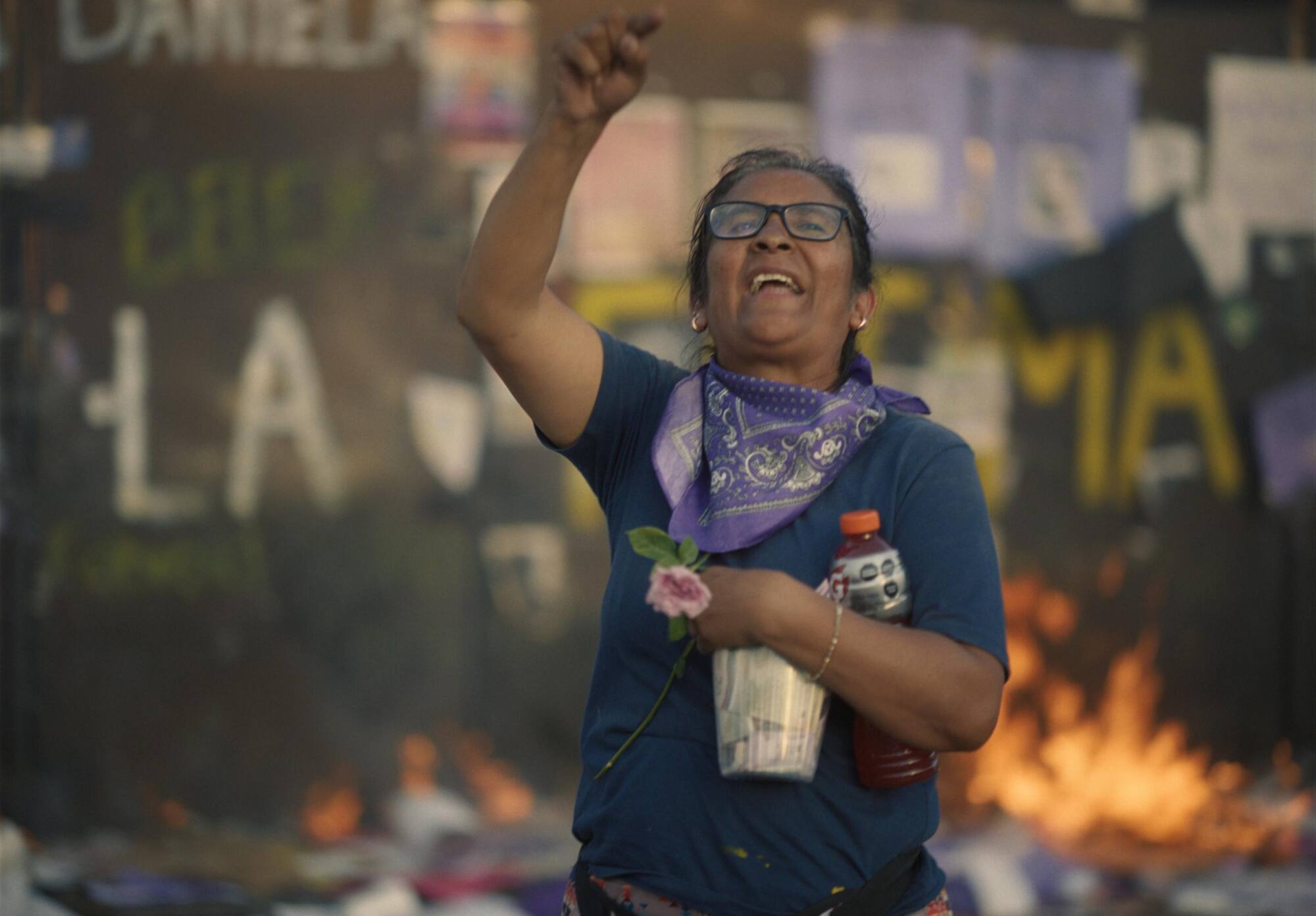
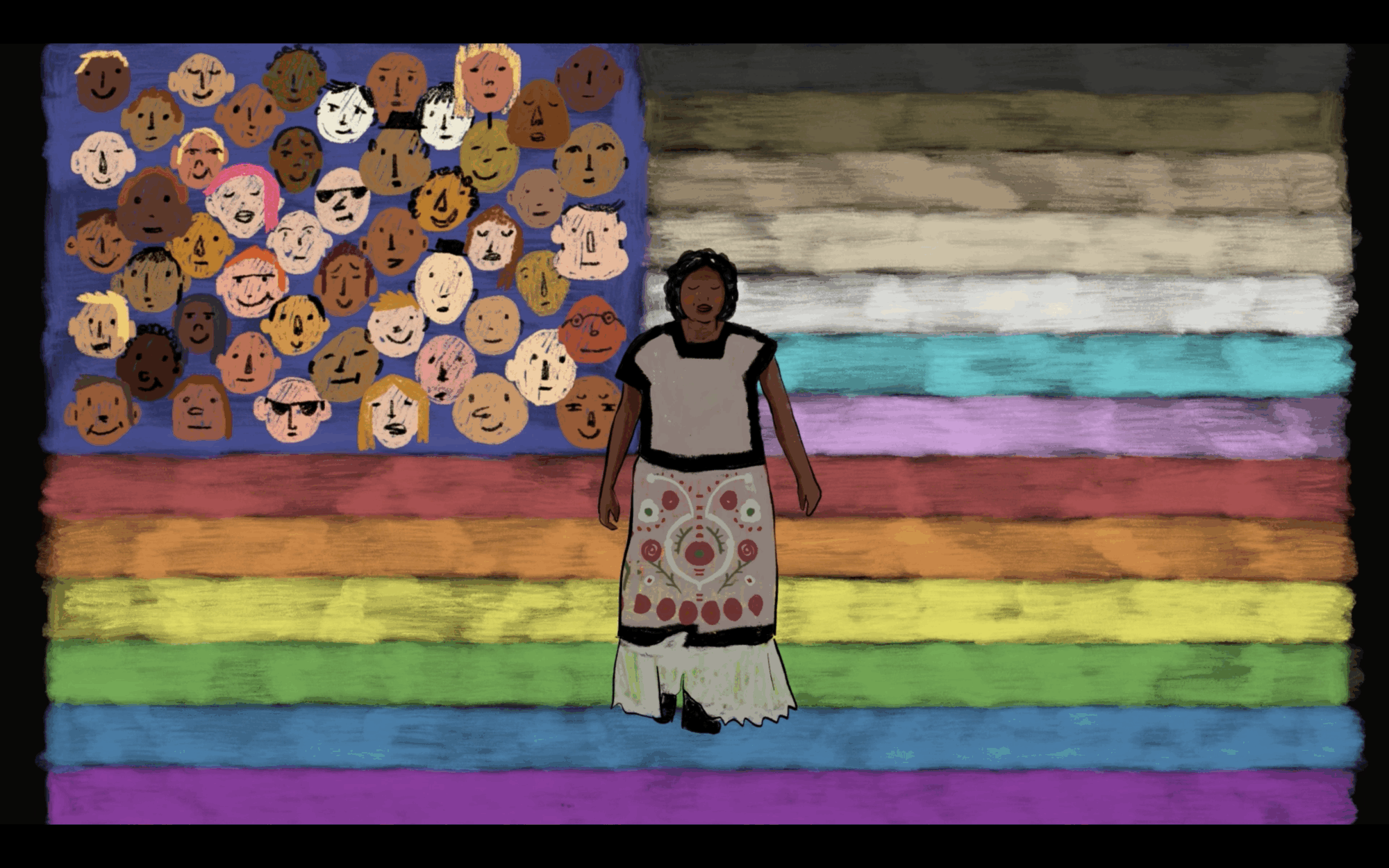
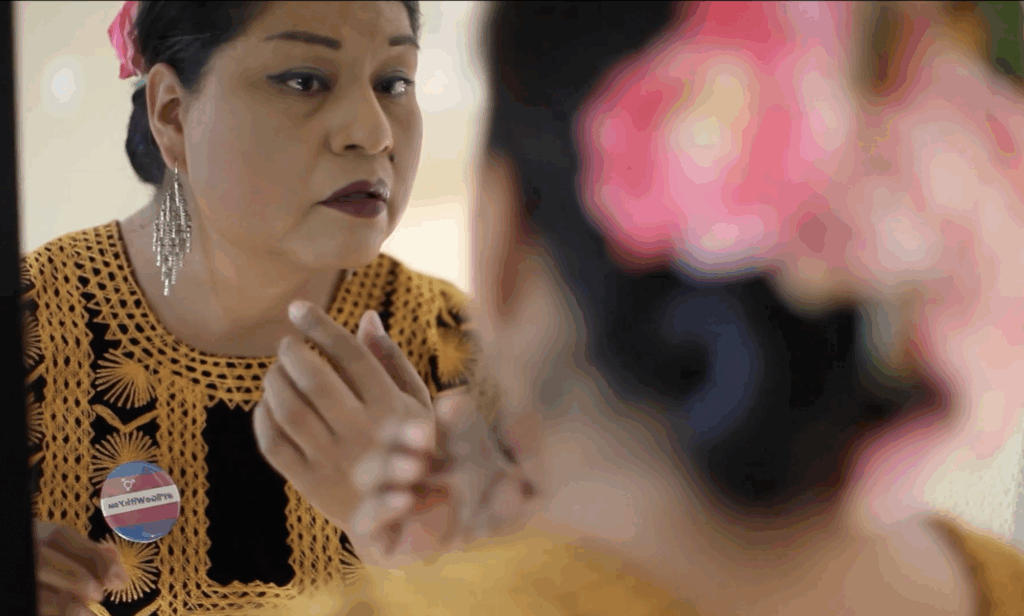
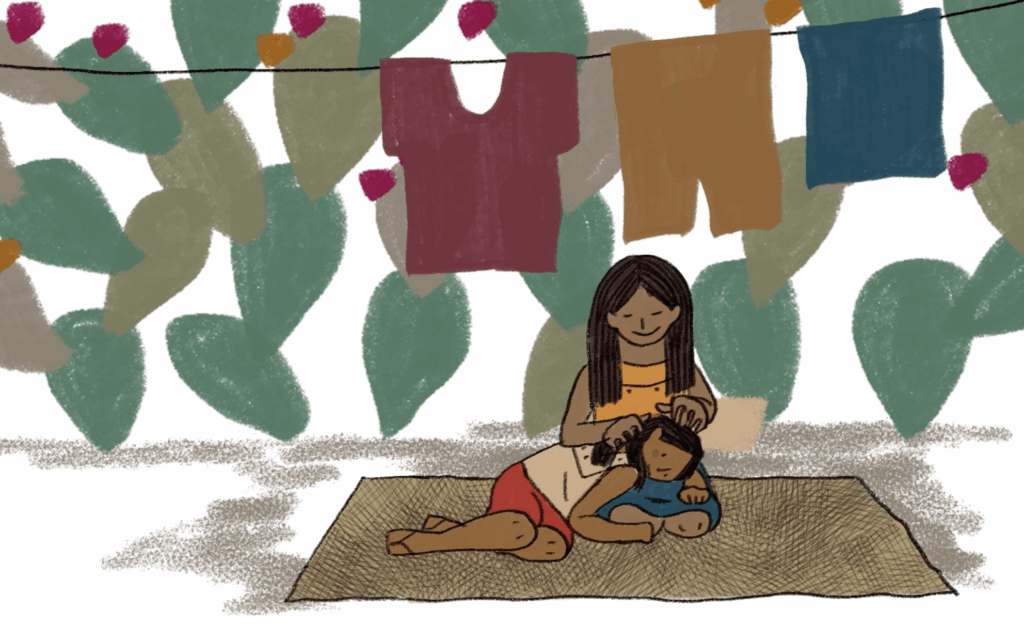
The documentary focuses on Alejandra’s story as an indigenous transgender woman on a lifelong quest for a safe place to call home is told through a combination slice-of-life moments shot over the course of 7 years with animated sequences based on Alejandra’s original artwork. The result is a film that doubly serves as an intimate portrait and a beacon of hope and solidarity.
About Brenda Ávila-Hanna
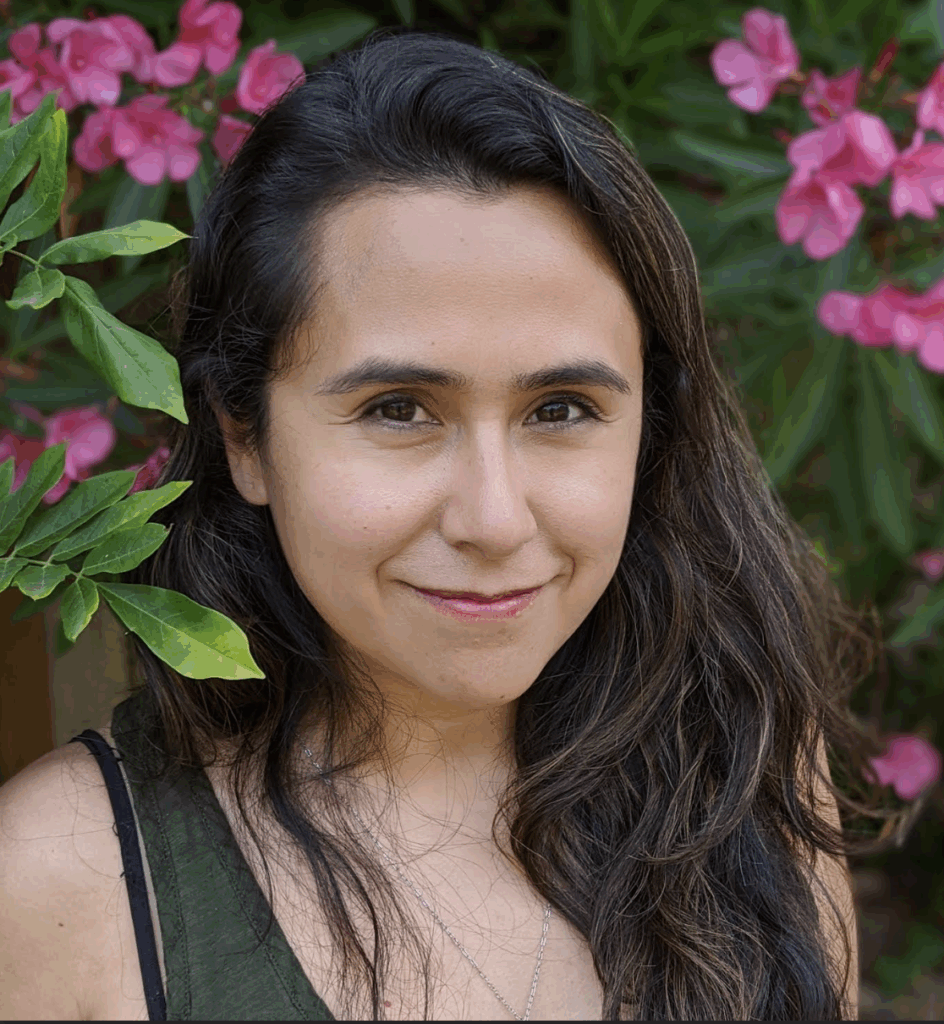
Born and raised in Mexico city and currently based in the Bay Area, Brenda received a Master’s degree in Social Documentation from UC Santa Cruz where she completed her first documentary short, Vida Diferida (Life, Deferred), the coming-of age story of an undocumented teenage girl. The film screened at several film festivals including the San Francisco Latino Film Festival and Lakino Berlin. She has also directed several films in Mexico and the USA, including Güerita, a fiction short with the award-winning Mexican actress Luisa Huertas as the lead. Brenda is currently co-producing a short documentary for The Guardian and teaches a course entitled Visualizing Human Rights in Latin America at the University of California, Santa Cruz.
Tell us what your film, Libertad, is about?
Libertad is the story of Alejandra, a dear friend who is an indigenous transgender woman from Oaxaca, Mexico, who now lives in California and has become a beacon of solidarity in our community. The film begins when Alejandra arrives at an important crossroads in her life and decides to petition for asylum in the United States. This decision leads her to grapple with all that has been lost and gained after she left her hometown and her mother back home many decades ago, and what’s at stake regardless of the outcome of this petition. Ultimately, Alejandra’s journey is a testament to the importance of a transnational solidarity that follows the lead of those who are often pushed to the margins of mainstream society as the key to collective liberation, or libertad.
What role has BAVC Media played in your filmmaking journey?
BAVC Media was an absolute turning point in my career. Libertad is my first feature film as a director, and BAVC Media was the first place that supported the film with both funding and mentorship. As an immigrant and emerging filmmaker, I was still fairly unfamiliar with processes and pipelines, still very insecure and a bit lost on how to take space and carry myself in filmmaking spaces. BAVC Media took us to festivals and industry spaces with so much care and guidance, provided incredible mentorship and career advice. This wasn’t just about the film, it was about us as artists and individuals. Over the years, my relationship with BAVC Media continues to grow, having worked on other local projects with them, presenting films at their youth workshops, or collaborating in other initiatives and spaces such as BAMMS or the Watsonville Film Festival. I’m even currently a producer for a 2021 BAVC MediaMaker Fellow project, How to Clean a House in Ten Easy Steps. I met the director, Carolina Gonzalez at a BAVC Media event!
How did the Bay Area filmmaking community support or influence your approach to your film?
Everyone who worked on this film is either in the Bay Area/Central Coast or Oaxaca, Mexico. I met one of the producers, Andre Perez, during my time at BAVC Media when he was based in Oakland. I also met Editor Melina Tupa around the same time, not long after she finished her MFA at UC Berkeley. One of the lead participants of the film, Dr. Jennifer Hastings, has a large network of transgender healthcare advocates in the Bay Area who supported the film, and some of their work inspired and informed our approach to the story. Several filmmakers and dear friends from the Bay Area attended feedback screenings and provided invaluable advice and mentorship. We had a short version of the film in 2017, and Frameline amplified the film for other regional screenings and even a short streaming event during the height of the pandemic. Several crew members and supporters are based in Santa Cruz county, which is not officially Bay Area but right next door, including Arts Council Santa Cruz and the Watsonville Film Festival.
Can you describe the journey of bringing Libertad from concept to final cut? What were some of the biggest challenges?
The concept changed so much over the years because some of the key issues in the film, especially immigration policy and trans rights, have also changed drastically over the past years, let alone the fact that this film grapples with both sides of the border -or at least with the experiences of those of us who experience our lives transnationally.- Additionally, funding was very challenging as a first-time filmmaker. We had to take long pauses of several months at a time, even a full year at some point, because there was no funding and we had to move on to other jobs. We also struggled to contain the story into one cohesive storyline when there are so many intersections in Alejandra’s experiences, but she was very gracious with sharing the things that were most important to her, and what she ultimately wanted audiences to take from her story. This was a big north star to help us shape the story into something more nuanced and open ended, rather than preachy or didactic. Her safety, empowerment and comfort are extremely important to us, and unfortunately we were not predicting the current political climate when we started the project 8 years ago, so we are continuously navigating how to meet the current moment and keep everyone involved safe and empowered.
How did you balance telling Alejandra’s deeply personal story with addressing broader systemic issues surrounding LGBTQ+, Indigenous and women’s rights, as well as immigration?
One of the things that Ale and I share in common is that we are both immigrants who came to the US as young adults. Our lives are deeply transnational, and we share circles of friends and spaces in our community that align with these experiences. We often talked about the kinds of things we wanted our own communities to understand about solidarity, about the transgender experience, about colonialism, immigration, and machismo. These conversations guided the scenes that made it into the film, how we strung them together and how these slice-of-life moments addressed the issues organically and intersectionality. The film is greatly informed by these conversations. The concept of animations mostly emerged because we often talked about liminal spaces where one can grapple with these things, share their truths, inhabit their memories, dreams and fears.
What do you hope audiences take away from Libertad?
We hope audiences, especially Latine audiences, walk away from the film with a greater appreciation of transgender immigrants as members of a common struggle, dream and community, as well as indigenous immigrants. That we understand the role each of us plays in keeping our trans siblings safe, and that keeping them safe is fundamental for everyone’s safety and liberation. The same goes for LGBTQ+ communities and activist circles so that they grapple with the urgency of protecting their immigrant members and their Indigenous members, or that Indigenous communities include their immigrant and trans siblings in their path to liberation. I hope audiences also walk away with more curiosity about the arbitrary nature of our immigration and asylum process, and a more nuanced understanding of what it is like to experience life transnationally.
Libertad is screening at Regal Union Square in New York on September 17 at 6:45 pm. Get tickets here.
BAVC Media is currently looking for documentary filmmakers from across the country who are committed to creative, ethical, and collaborative nonfiction practices for the 2026 BAVC MediaMaker Fellowship. Deadline to apply is Monday, September 29, 2025, at 11:59pm PT. Learn more about the fellowship and the criteria to apply.